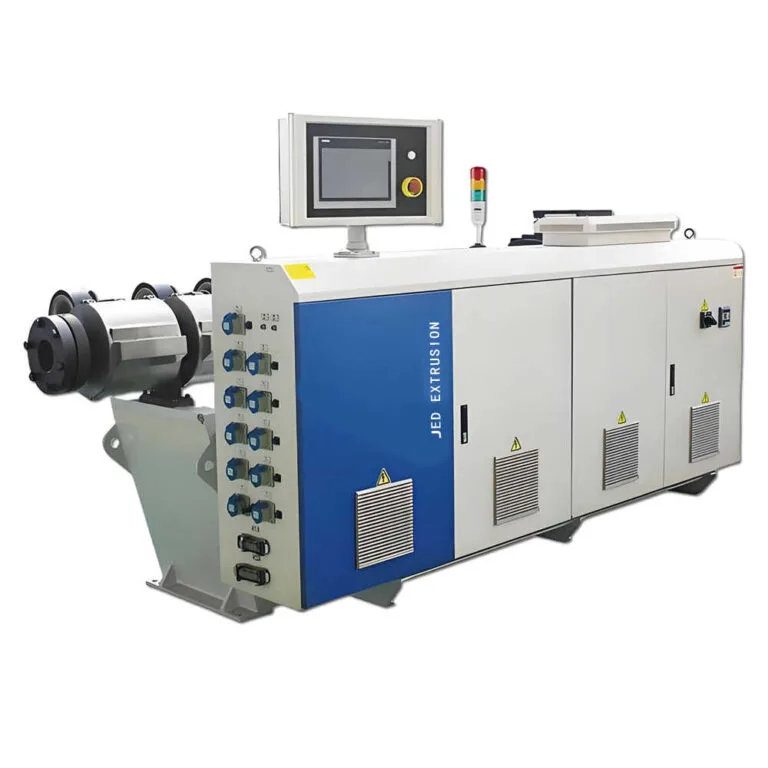


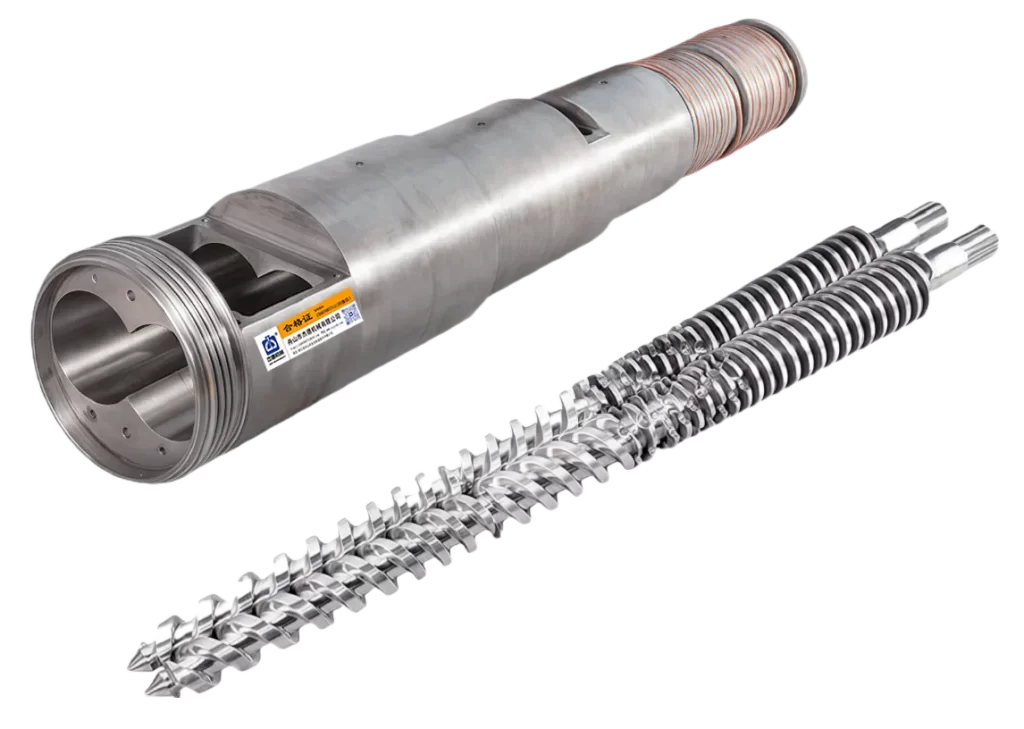
Maintenance of the conical twin-screw extruder and barrel is crucial for ensuring long-term stable operation and extending the lifespan of core components. Scientific daily and periodic maintenance not only reduces downtime but also effectively lowers production costs.
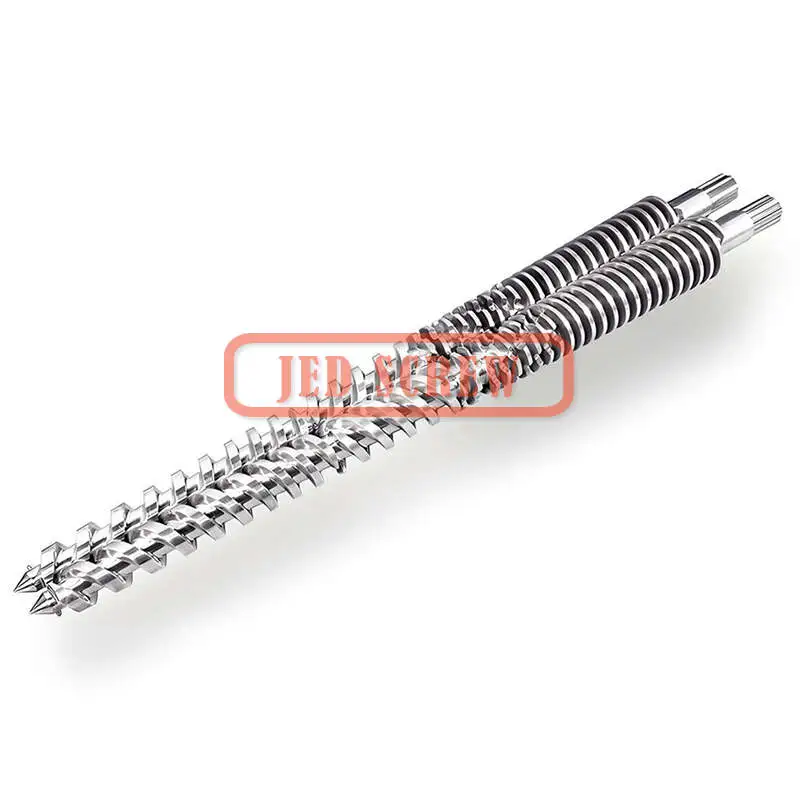
I. Daily Cleaning and Inspection
Clean Machine Surfaces and Internal Residues
After each daily shutdown, promptly clean resin residue from the barrel, screw, and nozzles to prevent carbonization and its impact on the next startup.
Use a brass brush or waste cotton cloth to remove deposits. Avoid using steel tools to scrape, as this may damage the alloy protective layer.
A special barrel cleaner (such as a rubber-like substance) can be used for high-temperature cleaning. This softens the rubber clumps and removes residual material, suitable for scenarios with frequent material changes.
Inspect Moving Parts
Regularly check the wear of the gearbox gears. After the first 500 hours of use, clean the gears and change the lubricating oil.
Check the motor brushes, control instruments, and piping connections for proper functioning, paying particular attention to the thermocouple contact.
Cooling water pipes are prone to scale buildup and require regular descaling and corrosion prevention to prevent blockages that could lead to cooling failure.
II. Screw Maintenance
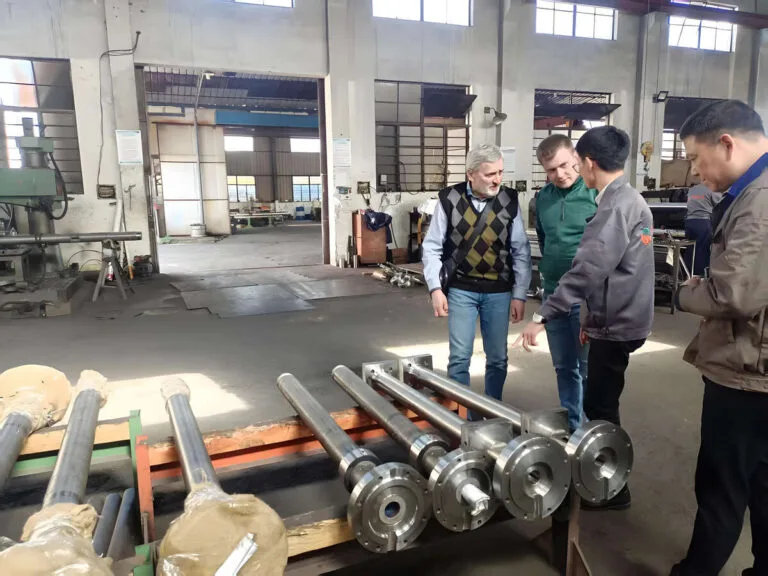
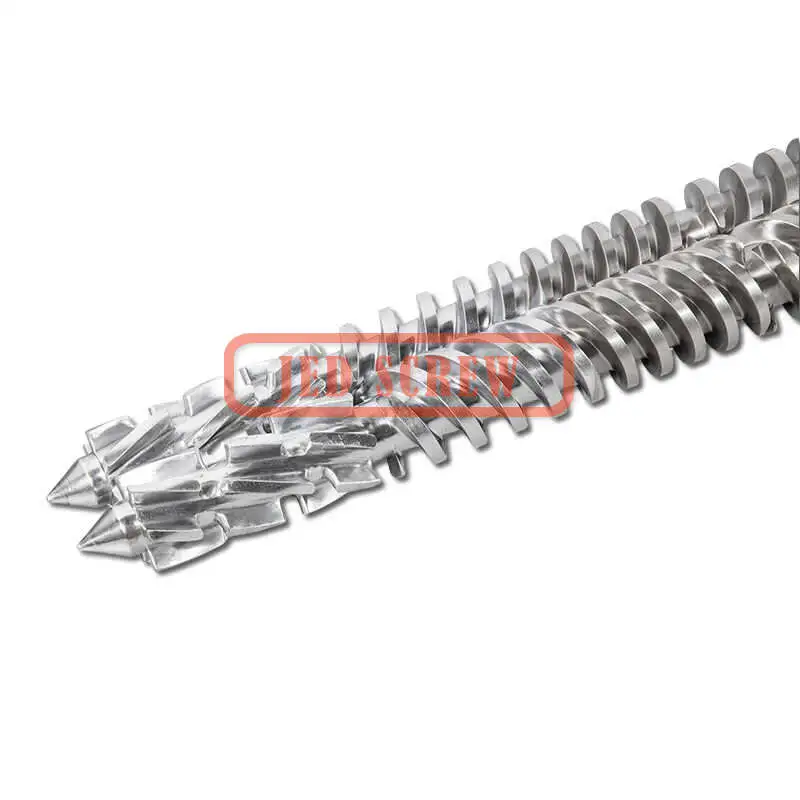
After disassembly, clean the screw while it is still hot with a copper wire brush, using a release agent or mineral oil to improve cleaning efficiency. After cooling, wipe away oil stains with a non-flammable solvent.
After cleaning, check the screw surface for wear: minor scratches can be polished with fine sandpaper; severe wear is recommended for professional welding repair.
When storing, apply rust-preventive oil and hang vertically to prevent deformation.
Before installation, confirm the correct meshing phase of the two screws, adjust according to the markings, ensure uniform side clearance, and avoid interference during operation.
III. Operating Procedures and Precautions
Pre-start Preparation
After heating to the set temperature, maintain the temperature for at least 1-2 hours to avoid abnormal screw torque due to excessive temperature differences.
In case of a sudden power outage, reheat and maintain the temperature before starting the extruder.
Precautions During Operation
The screw must not be run dry. Low-speed start-up time should not exceed 2-3 minutes; gradually increase speed only after feeding.
Metal, sand, and other hard objects are strictly prohibited from entering the hopper to prevent damage to the screw and barrel from sudden impact.
After using corrosive materials (such as PVC), promptly clean and replace them with stabilizing materials (such as HDPE or HIPS) to prevent residual corrosion.
Lubrication and Tightening Management
Use the manufacturer’s recommended lubricating oil, adding and changing it regularly to keep the lubrication system clean.
Perform a comprehensive inspection after a period of operation, tightening any loose bolts to prevent vibration-induced malfunctions.
IV. Environmental and Storage Requirements
The equipment should be placed in a dry, well-ventilated indoor environment to avoid rust caused by dampness.
When the equipment is to be out of service for an extended period, the barrel and screw should be treated with rust prevention and covered with a protective cover.